No Eggs? No Problem! Discover the Magic of the Flax Egg
Picture this: you're halfway through mixing your favorite cookie dough or pancake batter, only to realize you're completely out of eggs. Or perhaps you're navigating dietary restrictions, be it a vegan lifestyle, an egg allergy, or simply looking for healthier alternatives. In today's world of fluctuating grocery prices, perhaps you're just eyeing those expensive cartons of eggs and thinking, "There must be another way." Good news! There is, and it's simpler, more versatile, and more budget-friendly than you might imagine: welcome to the world of the flax egg.
A true game-changer in the kitchen, a flax egg is a brilliant, natural, and incredibly effective vegan egg substitute made from just two humble ingredients: ground flaxseed meal and water. It's a tried-and-true staple for savvy bakers, plant-based enthusiasts, and anyone looking to stretch their dollar while still enjoying delicious baked goods. This comprehensive guide will walk you through how to make a flax egg, why it's such a stellar solution, and how to seamlessly integrate it into your culinary adventures.
What Exactly is a Flax Egg and Why Should You Use One?
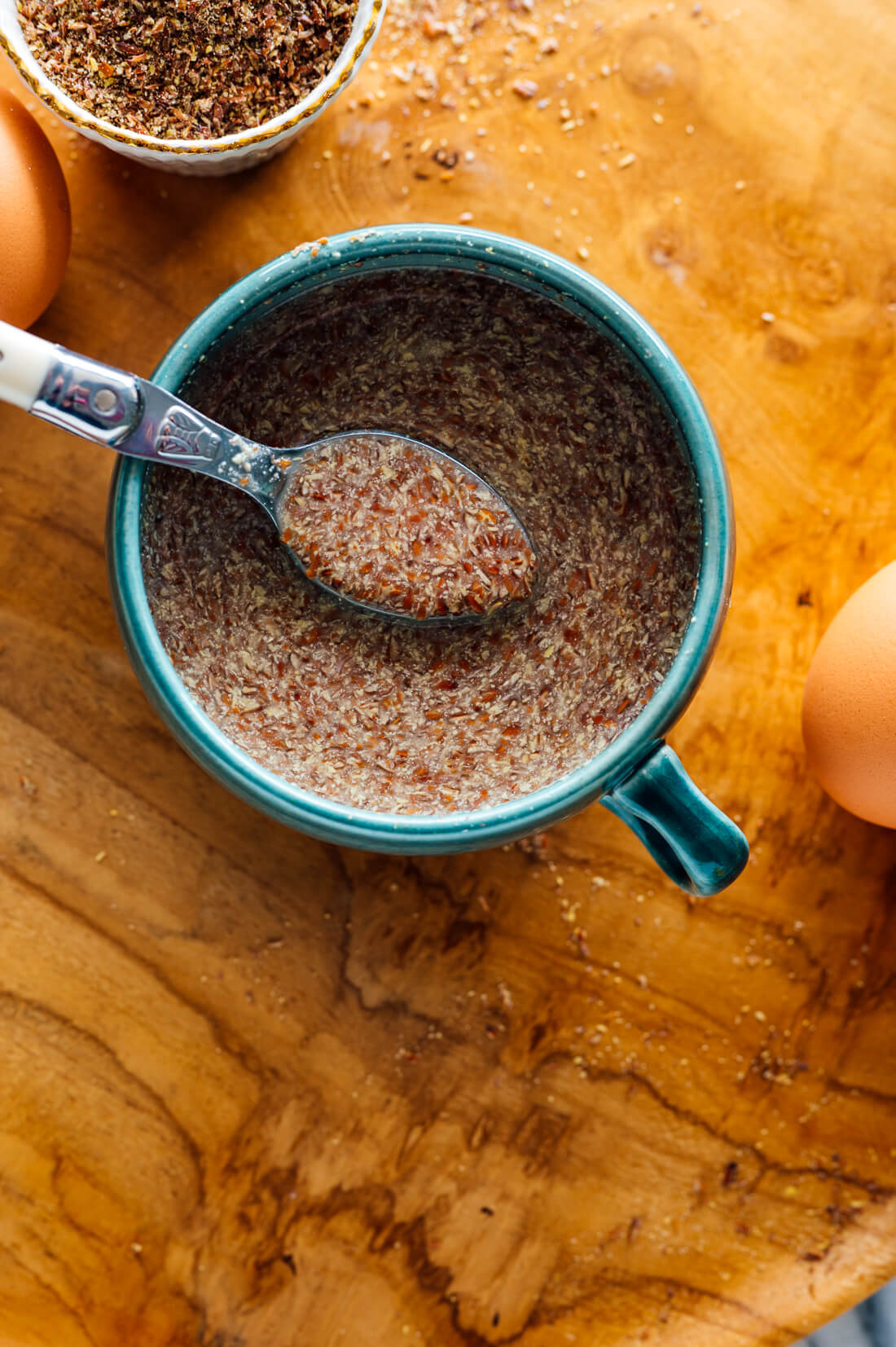
At its core, a flax egg is a simple mixture of ground flaxseeds and water that, when left to sit for a few minutes, transforms into a gelatinous, egg-like consistency. This sticky, gooey substance cleverly mimics the binding properties of a traditional chicken egg in many recipes, making it an indispensable tool for vegan baking and beyond.
So, why bother with a flax egg? The reasons are plentiful and compelling:
- Budget-Friendly Baking: With the rising cost of eggs, flaxseeds offer an incredibly economical alternative. A bag of ground flaxseed meal is often significantly cheaper per serving than eggs, allowing you to save money without compromising your baking aspirations.
- Dietary Inclusivity: Flax eggs are naturally vegan, gluten-free, dairy-free, and suitable for most paleo and whole30 diets (check specific guidelines for the latter two). This makes them perfect for those with egg allergies, dietary preferences, or anyone hosting diverse dietary needs.
- Nutritional Powerhouse: Beyond their functional role, flaxseeds themselves are nutritional superstars. They are an excellent source of omega-3 fatty acids (specifically alpha-linolenic acid, or ALA), which are crucial for heart health and reducing inflammation. They also pack a significant punch of fiber, aiding digestion and promoting satiety, and offer a decent amount of plant-based protein. Incorporating flax eggs isn't just about replacing an ingredient; it's about adding a wholesome boost to your meals.
- Convenience in a Pinch: Ever found yourself mid-recipe with an empty egg carton? A bag of ground flaxseed meal has a long shelf life, making it a reliable pantry staple that ensures you're never caught off guard.
Flaxseeds themselves come from the beautiful flax plant and can be either brown or golden in color (both work equally well for making flax eggs). They have a subtle, nutty flavor that is generally undetectable in most baked goods, making them a neutral canvas for your recipes.
How to Make a Flax Egg: Your Simple Step-by-Step Guide
The beauty of the flax egg lies in its remarkable simplicity. You need only two ingredients and a few minutes of your time. This method for how to make a flax egg is your key to unlocking a world of egg-free baking.
Ingredients:
- 1 tablespoon ground flaxseed meal (also known as flaxmeal)
- 3 tablespoons water
Instructions:
- Combine: In a small dish or ramekin, add the 1 tablespoon of ground flaxseed meal and 3 tablespoons of water. This ratio is typically equivalent to one large chicken egg.
- Stir Well: Using a spoon or small whisk, stir the mixture vigorously until the flaxseed meal is thoroughly incorporated into the water. You'll notice it already starting to look a little thick.
- Rest and Thicken: Let the mixture sit undisturbed for at least 5 minutes. Some recipes suggest up to 15 minutes, or even 30 minutes in the fridge for a thicker consistency. During this resting period, the flaxseed meal absorbs the water, and its natural mucilage forms a viscous, gel-like substance.
- Assess Consistency: The flax egg is ready when it has achieved a gelatinous, slightly sticky texture, similar to a loosened raw egg white. It should hold together on a spoon.
- Use Immediately: Once thickened, your flax egg is ready to be added to your recipe just as you would a regular egg.
Essential Tips for Flax Egg Success:
- Always Use Ground Flaxseed: This is perhaps the most crucial tip. Whole flaxseeds will not absorb water and create the necessary gel. They will pass through your digestive system largely intact, without providing the binding properties you need. If you only have whole flaxseeds, simply grind them into a fine meal using a coffee grinder or a high-speed blender. Grinding your own ensures maximum freshness and potency.
- Don't Rush It: While 5 minutes is often enough, giving your flax egg a little extra time (up to 15 minutes) or even chilling it in the fridge for 10-15 minutes can result in a firmer, more effective gel, especially if your kitchen is warm.
- Storage of Flaxmeal: Due to their high omega-3 content, ground flaxseeds can go rancid if not stored properly. Keep your ground flaxseed meal in an airtight container in the refrigerator or freezer to preserve its freshness and nutritional value. Whole flaxseeds can be stored at room temperature in a cool, dark place.
Mastering Flax Eggs in Your Favorite Recipes
While incredibly versatile, it's important to understand where flax eggs shine and where they might fall short. Knowing these distinctions will ensure your baking endeavors are always successful.
Where Flax Eggs Excel (Binding Agent):
Flax eggs are phenomenal in recipes where the primary role of the egg is to act as a binder, holding ingredients together, and contributing moisture. Think "dense" or "chewy" baked goods. They work incredibly well in:
- Pancakes and Waffles: For fluffy stacks that stay together.
- Muffins and Quick Breads: Providing structure and tenderness.
- Cookies and Brownies: Creating that perfect chewy texture.
- Oatmeal and Granola Bars: Binding ingredients for a firm shape.
- Savory Dishes: Excellent in meatballs, meatloaf, and veggie burgers as a binder, holding the mixture together without crumbling.
- Baked Oatmeal: Helping the oats and other ingredients set.
As a general rule, a good starting point is to use a flax egg in recipes that call for 1-2 eggs. If a recipe calls for more than two eggs, introducing multiple flax eggs might alter the texture significantly, so proceed with caution or look for recipes specifically developed for more flax eggs.
Where Flax Eggs Might Struggle (Structure and Lift):
Flax eggs are not a direct 1:1 substitute for *every* egg function. They do not stiffen, aerate, or provide the same leavening properties that eggs do. Therefore, they are generally not suitable for:
- Recipes Requiring Significant Lift or Structure: Think meringues, soufflés, angel food cake, or light and airy sponges.
- Custards, Quiches, and Omelets: Dishes where the egg is the star and needs to set firm or take on a specific texture that flax cannot replicate.
- Paleo-style or Nut-based Recipes: As noted by some baking experts, when a recipe has already undergone significant adaptation (e.g., flourless muffins or paleo breads), introducing another major substitution like a flax egg can sometimes lead to unexpected and less than stellar results. These recipes often rely on the precise chemical reactions of their specific ingredients to achieve texture.
The key is to understand the role of the egg in your original recipe. If it's for binding and moisture, a flax egg is likely your new best friend. If it's for puffiness, a light texture, or standalone structure, you might need a different kind of egg substitute or a recipe specifically designed for those qualities.
Beyond the Basics: Flaxseed Insights and Storage
Understanding flaxseeds themselves can further enhance your appreciation for this simple yet powerful ingredient. Flaxseeds are particularly rich in lignans, which are plant compounds with antioxidant and estrogenic properties, adding another layer to their health benefits.
Flaxseed Types:
While you might see both brown and golden flaxseeds, for the purpose of making flax eggs, there's very little practical difference. Both varieties contain similar nutritional profiles and will produce an equally effective flax egg gel. Choose whichever is most readily available to you.
Economical Advantages Revisited:
Let's talk numbers. A typical bag of ground flaxseed meal contains enough to make dozens of flax eggs, often costing less than a single dozen of conventional eggs. This makes it an incredibly sustainable and smart choice for your wallet, especially if you bake frequently or manage multiple dietary needs in your household.
Embrace the Flax Egg:
Using a flax egg isn't just about finding a replacement; it's about embracing a whole-food, plant-based ingredient that brings its own set of health benefits and culinary advantages to your kitchen. It simplifies baking, reduces food waste, and opens up a world of possibilities for those with dietary restrictions.
Conclusion
The humble flax egg is far more than just a substitute; it's a testament to the versatility and ingenuity of plant-based ingredients. Whether you're navigating an egg shortage, managing allergies, adhering to a vegan lifestyle, or simply seeking a more budget-friendly approach to baking, learning how to make a flax egg is a skill that will serve you well. With just ground flaxseed meal and water, you can confidently create delicious muffins, chewy cookies, hearty pancakes, and so much more, all while adding a nutritional boost to your favorite recipes. So go ahead, stock your pantry, and get ready to experience the magic of this easy, effective, and economical baking solution!
